
Know When Direct Response Results Justify More Investment
These articles examine the questions that follow the initial response: Are the economics sound? Is the evidence strong enough to trust? Can you see the full customer journey? Do the results justify investing more?
The focus is practical: Cost Per Sale, Cost Per Lead, customer value, disciplined testing, targeting, CRM interpretation, creative evaluation, and the management decisions that bring them together.


Featured Article

Featured Article
Explore the Article Library
Browse current thinking on direct response economics, testing, creative judgment, lead generation, customer intelligence, and profitable growth.
How Long and How Often Should You Mail Your Leads?
A lead should not remain a lead because the database says so. Learn how recency, allowable cost per sale, and the next-best prospect segment determine how often to mail and when an aging lead should return to the prospect file.

Does Your Marketing Budget Feel Like It Was Pulled Out of Thin Air?
Most marketing budgets are negotiated from last year’s spending rather than built from profitable market demand. National Liberty’s direct-response discipline shows how product economics, qualified demand and operating capability can determine the investment required for achievable growth.

Your Direct-Mail Package May Have Plenty of Benefits—and Still No Clear Reason to Respond
A direct-mail package can explain the product, list strong benefits and present an attractive offer—yet still fail to give the prospect one clear reason to respond. Two historical membership packages show what happens when the strongest benefit is buried or competing offers require too many decisions.

Does Your Marketing Team Know More About Your Customers Than Anyone Else?
Marketing earns influence when it can defend customer data, explain behavior, connect channels to sales, and show what the company can afford to invest.
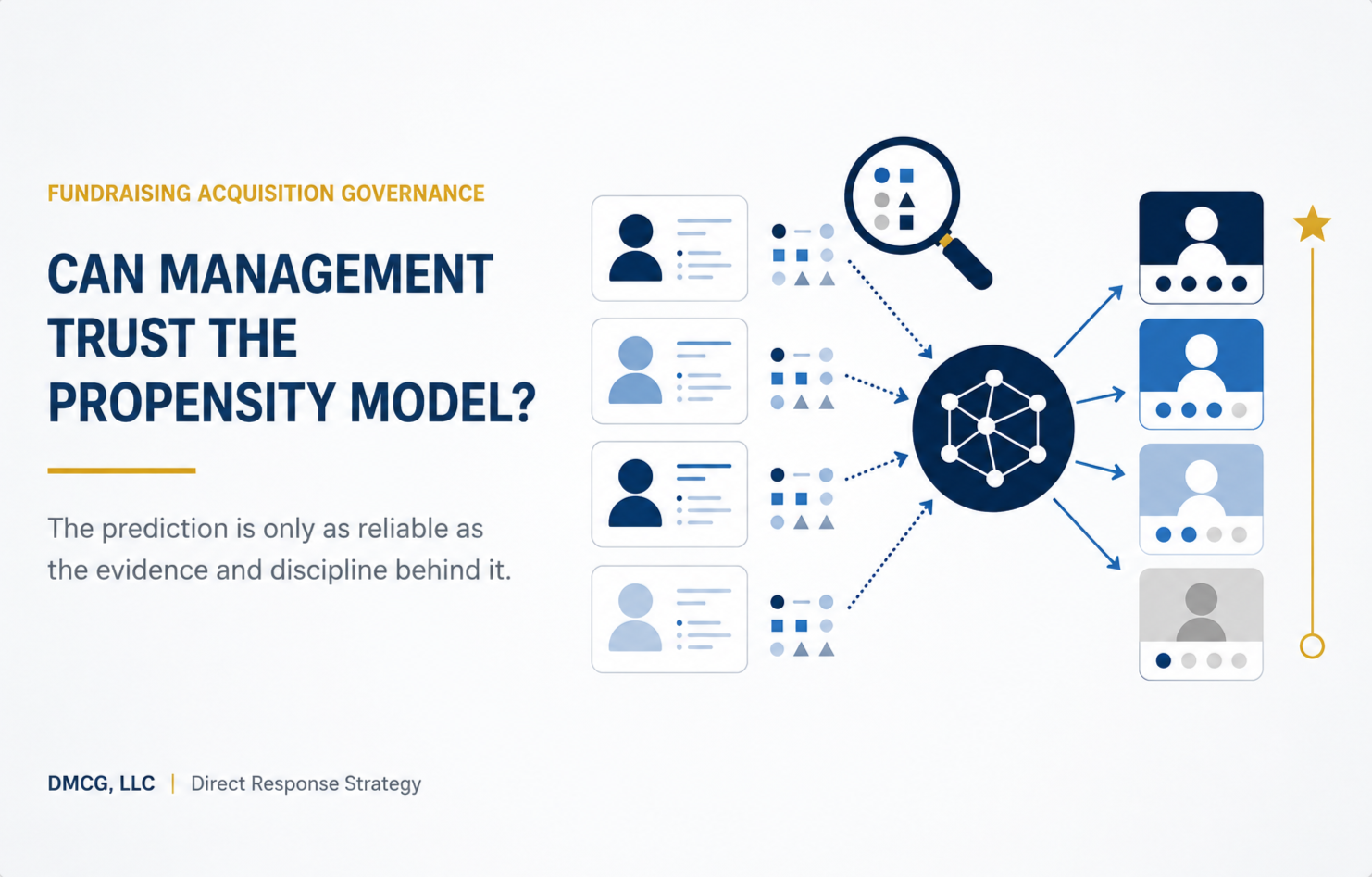
Custom Fundraising Models and Rented Donor Audiences Require Different Controls
Fundraisers should govern the objectives and validation of custom acquisition models built from compiled lists—and the testing and rollout of rented cooperative audiences. In both cases, controlled response and donor economics provide the final proof.
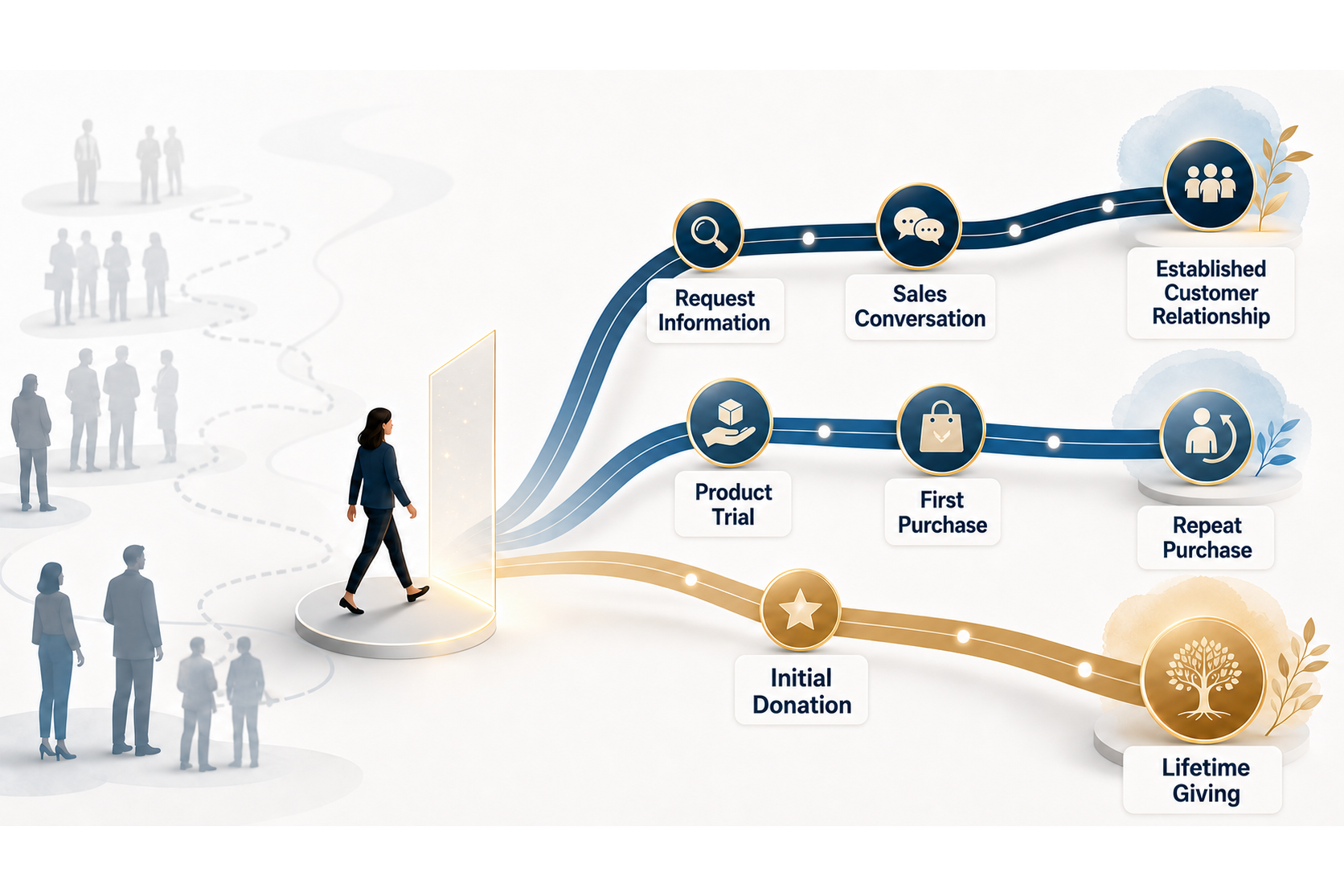
The Customer Journey Begins With the Individual’s First Commitment
Every prospect, lead, and customer enters a relationship differently. Direct response uses each person’s first commitment and individual history to determine the most appropriate—and economically justified—next treatment.
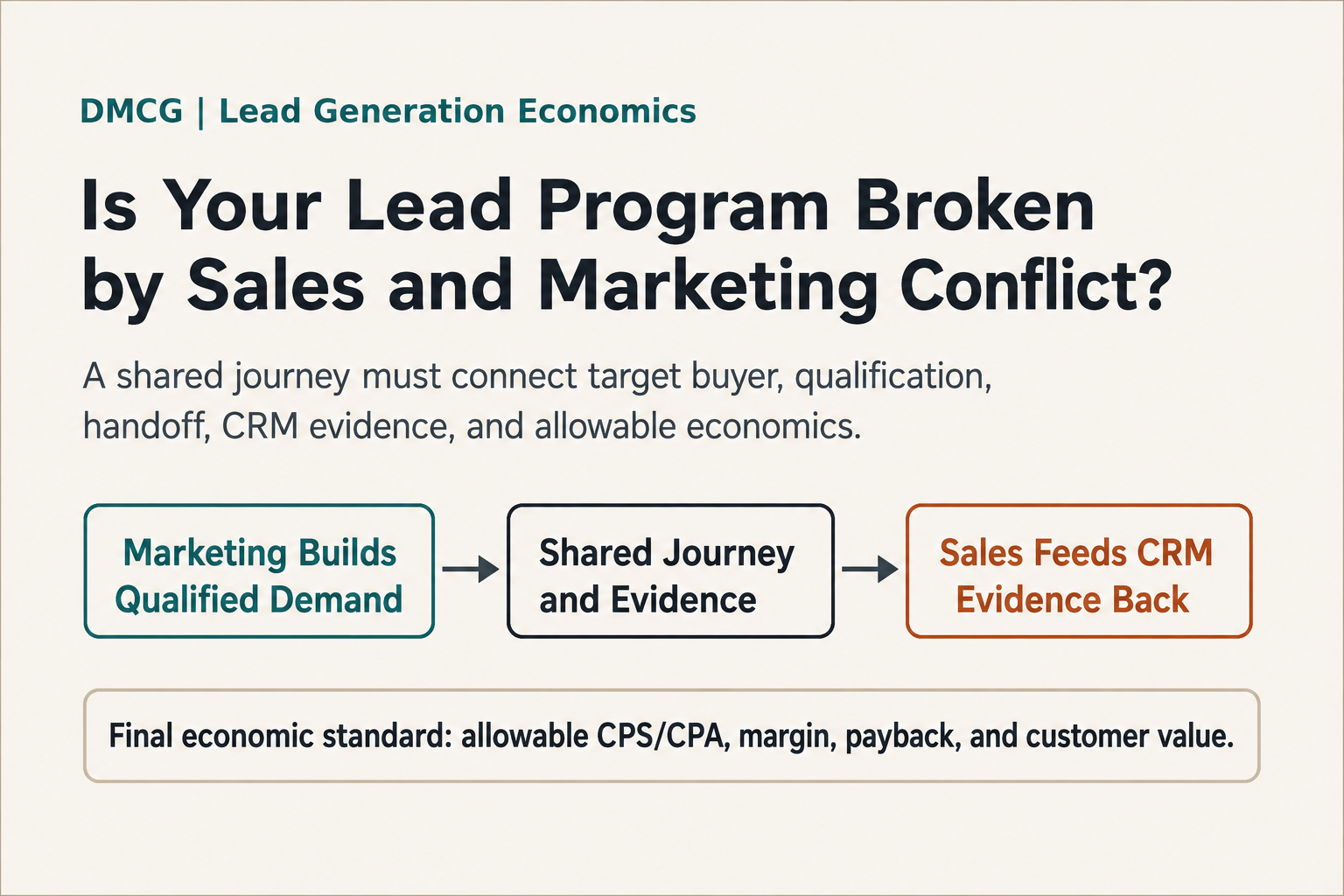
Is Your Lead Program Broken Because of an Internal Sales-and-Marketing War?
Lead generation fails when Marketing and Sales do not share one journey from target buyer to qualified lead, CRM evidence, allowable cost, and profitable customer.
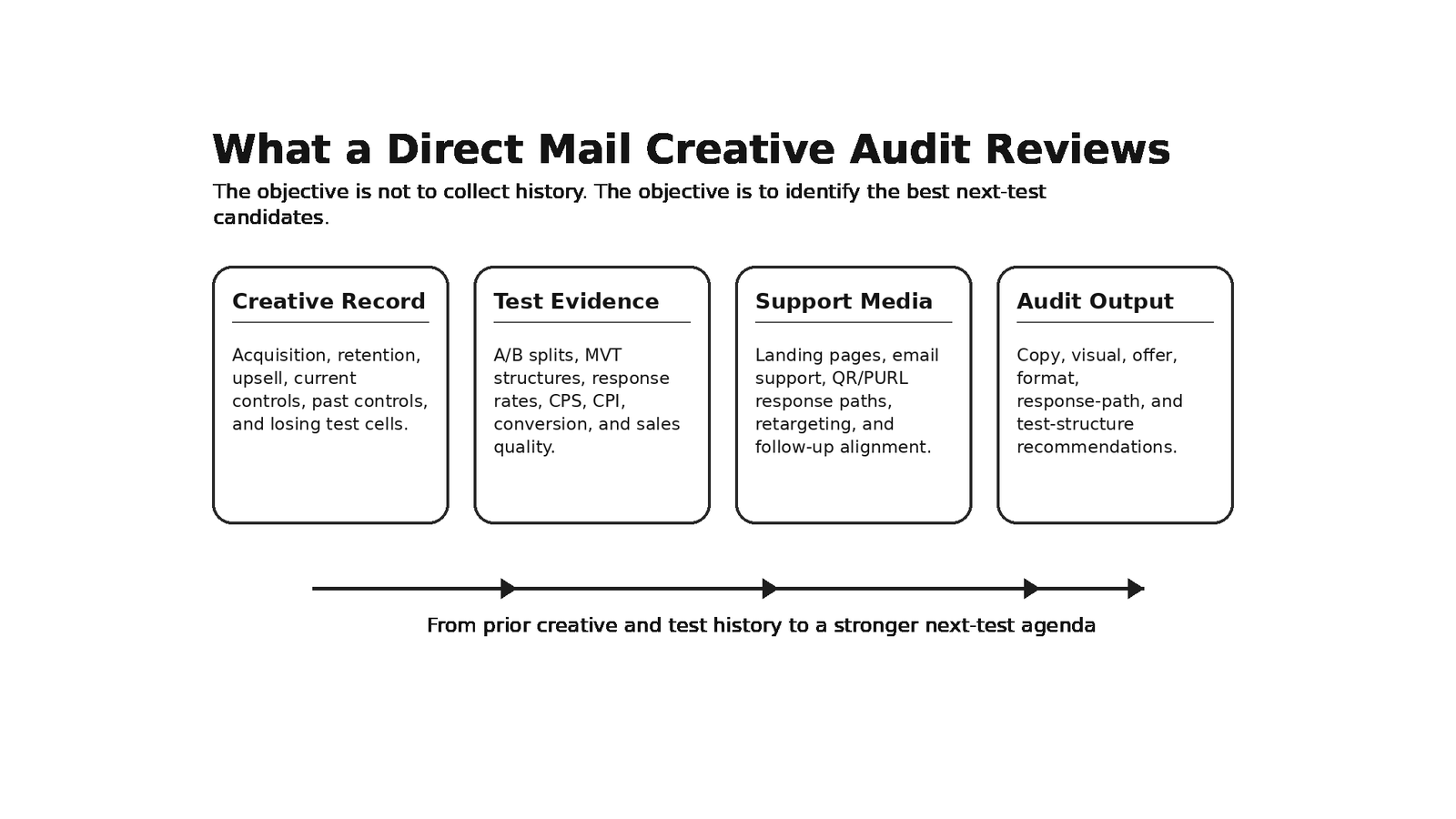
What a Direct Mail Creative Audit Should Actually Include Before Your Next Test
A direct mail creative audit should do more than critique copy and design. It should turn recent controls, losing tests, test results, response paths, and campaign economics into a sharper next-test agenda.
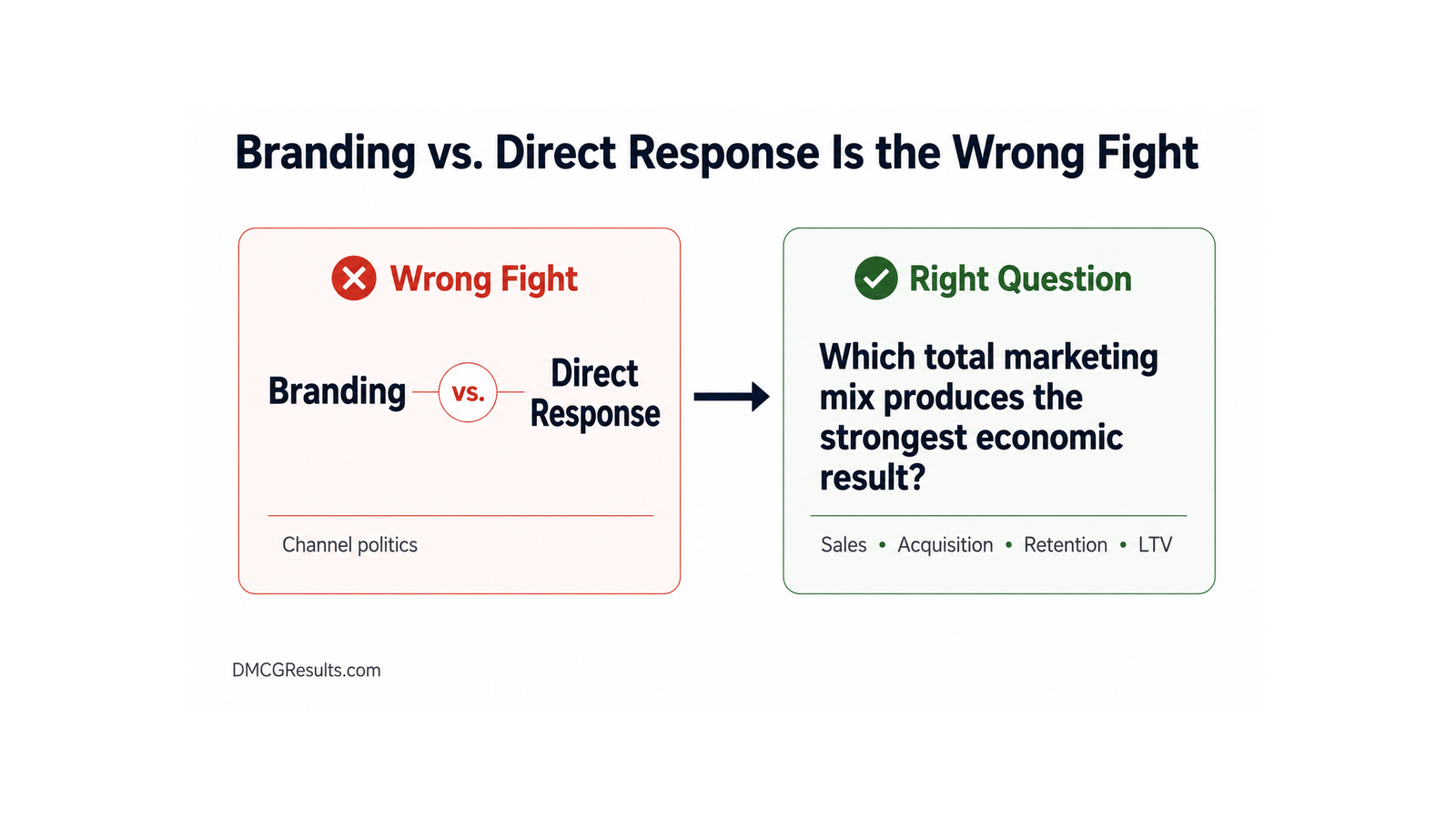
Branding vs. Direct Response Is the Wrong Fight
The real issue is not branding versus direct response. The real issue is whether marketing spend is managed in line with the business's economic goals. Proxies may guide the investigation. Economic results should govern the decision.